
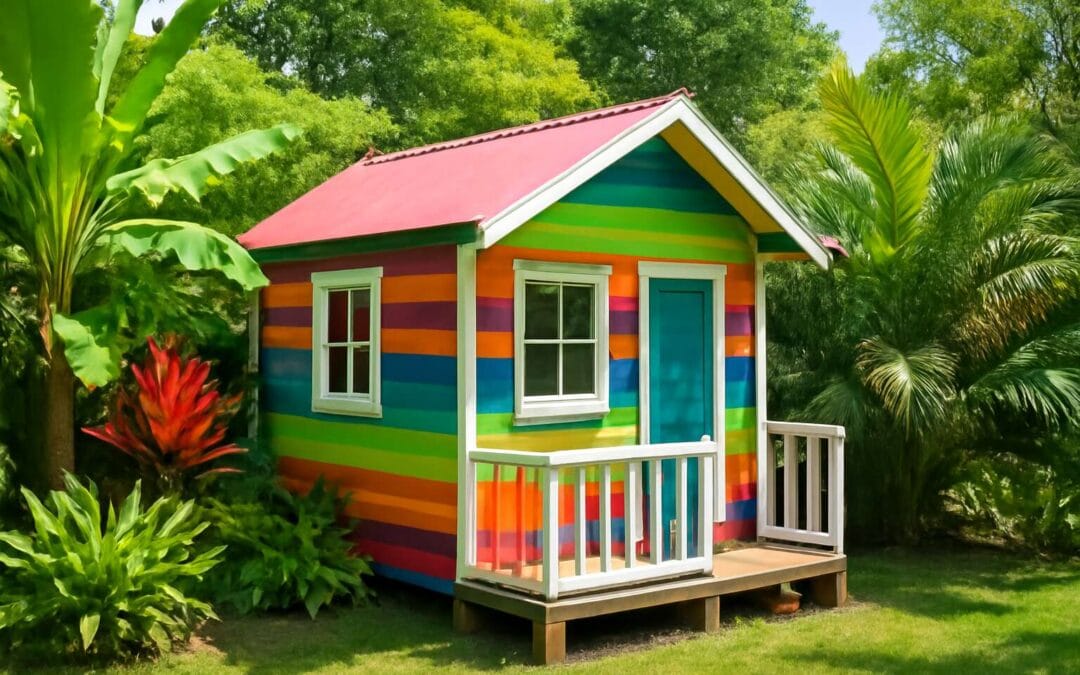
Understanding Wendy Houses in Eswatini
What is a Wendy House and its typical uses in Eswatini
Backyard horizons in Eswatini hide a quiet revolution: a wendy house eswatini, a compact wooden haven that multiplies living space without growing the footprint. A sturdy frame, a welcoming door—and your yard suddenly feels expansive!
What is a Wendy House? A small, prefabricated structure designed for versatile use, offering storage, play, study, or a compact home office. In Eswatini, families use it as:
- Storage for tools and seasonal wares
- Playroom or study nook for kids
Beyond function, it stands as a design note: flexible, weather-resilient, and quietly elegant. With thoughtful placement and proper ventilation, this tiny structure becomes a reliable annex to life under South Africa’s sunny days.
Key materials and construction basics for Wendy houses
In Eswatini, space is precious; the wendy house eswatini is a compact, wooden annex that quietly expands living space without stealing the yard. It can become a home office, workshop, or cosy play corner, depending on the day’s mood and the sun!
Key materials and cladding determine durability and appearance. Common choices include a sturdy timber frame, treated for outdoors, with a weatherproof roof and breathable barriers. Consider these basics:
- Treated pine or hardwood for the frame
- Weatherproof cladding (timber boards or insulated panels)
- Galvanised or color-coated roofing
Construction basics focus on foundations, ventilation, and finishing. A concrete slab or timber bearers on compacted ground are common foundations; add damp-proofing and floor ventilation, plus vents to keep interiors fresh on hot days. Finish with UV-resistant, low-maintenance coatings to weather the seasons.
Design considerations for Eswatini climates
Eswatini’s sun is a patient tormentor, coaxing chimes of shade from every eave. A wendy house eswatini must both shelter and breathe, balancing light with air around a compact timber heart. In hot seasons, days drift toward the thirty-degree mark, while cool mornings offer a promise of comfort. The answer lies in design that invites cross-ventilation and natural cooling, turning a small annex into a sanctuary rather than a heat trap.
Consider these design whispers for Eswatini climates:
- Ventilation that draws breeze through high and low openings
- Shading and reflective finishes to tame heat
- Insulation that preserves warmth in winter without choking summer air
- Moisture control with damp-proofing and proper slope to shed rain
- A durable roof and timber treatments to weather the season
When these elements align, the wendy house eswatini becomes a quiet theatre for daily life—an office by morning, a workshop by afternoon, and a play corner when the sun slides west.
Local regulations and safety tips for small structures
Small spaces, big impact. In Eswatini, a wendy house eswatini is often the first answer to storage, a home office, or a creative corner on a tight budget.
Understanding Wendy Houses in Eswatini means knowing local regulations govern these tiny builds. Most councils require a permit for structures of a certain size and set-backs from boundaries. Always check with the municipal planning office before laying foundations, and ensure plans align with zoning and drainage rules.
Safety tips for small structures center on durability and user safety: secure foundations, treated timber, damp-proofing, proper electricals, and ventilation to prevent damp. Keep access safe and clear, store tools securely, and plan for fire safety with appropriate materials and egress.
Budgeting essentials for a Wendy house project
“Small spaces, colossal dreams,” a master builder once told me, and the wendy house eswatini stands as proof: a modest shell can cradle tomorrow’s ambitions. Budgeting begins where daylight meets timber, balancing vision with the ledger. Each inch of floor, each breath of air, becomes a line item in a ledger that hums with practicality and poetry.
Budgeting essentials for a Wendy house project hinge on clarity, not bravado. Think permits, foundations, site drainage; materials and labour; safety systems; insulation and damp-proofing; finishes and fixtures; and a prudent contingency to weather delays. The following categories anchor your numbers:
- Permits and planning
- Foundations and site prep
- Materials and workmanship
- Electrical and safety systems
Plan in measured stages if budgets demand it, and let the cost of a dream be weighed against the price of missed opportunities. The numbers may murmur, yet the structure will rise—quiet, vigilant, enduring.
Sourcing and suppliers in Eswatini for Wendy houses
Understanding Wendy Houses in Eswatini means tracing a supply chain that respects pace and place. The wendy house eswatini market blends local craftsmen with regional suppliers, where turnarounds hinge on timber availability and weather. A well-sourced unit arrives with a promise: durability that suits Eswatini’s climate and a price that respects budgets. Local workshops understand ground conditions, moisture, and wind—quietly shaping structures that endure and adapt.
- Local manufacturers with ready stock and customization options
- Clear lead times and reliable logistics from near suppliers
- Solid warranties and accessible after-sales support
- Material quality assurances and supplier accreditation
To navigate this landscape, start with references, inspect samples, and compare warranties; the right supplier will align timelines with your project cadence.
Choosing the Right Wendy House for Your Home in Eswatini
Size and layout options for compact homes
Space is a rare gem in Eswatini, where clever sizing often beats sprawling budgets. “Small spaces demand clever design,” notes a savvy local builder, and that wisdom shines in the wendy house eswatini. A compact unit can slip onto a narrow plot while delivering real usable space!
For size, think in footprints: 6×4 meters for a snug studio, 6×6 for a small living area with a desk, or 8×6 for a woodshop-cum-guest room. For South Africa’s urban plots, these footprints fit nicely. Let light rule with wide doors and clerestory windows, and tuck storage into corners. Flexibility matters, so plan around adaptable panels and a loft if height allows.
For compact-lived possibilities, consider these layouts:
- Home office or study nook
- Guest sleeping pod
- Mini studio workshop
In Eswatini, the wendy house eswatini blends style and space without breaking the budget.
Insulation and roofing choices for heat management
Eswatini’s sun doesn’t wait, and neither should your design. A thoughtful wendy house eswatini can feel like a cool oasis, blending curb appeal with heat-aware lines that let the space breathe and the air stay light.
Insulation and roofing choices set the tone for heat management. Seek rooflines that shade interior spaces, with light, reflective finishes, and wall or ceiling insulation that curbs heat gain without bulk.
- Reflective metal roofing with a light finish
- Rigid foam or mineral-wool insulation in walls
- Ventilation features such as clerestory windows or breathable ceilings
These elements harmonize style with practicality, ensuring the structure remains a serene retreat rather than a sun trap.
Durability and weather resistance in Eswatini climates
In Eswatini, the sun writes heat across every surface, and the wendy house eswatini you choose should sing with shade and breeze. Picture a compact retreat where light dances on cool walls and small, bright windows invite the air to wander.
Durability and weather resistance form the spine of a lasting choice. Seek timbers treated against humidity and pests, a roof with a reflective finish, and joints that shrug off heavy rains without swelling.
- Termite-treated timber and moisture barriers
- Galvanized or stainless fittings to withstand humidity
- UV-stable, light-reflective finishes
Customization ideas for local style and culture
In a place where shade is currency and breeze is a luxury, the right wendy house eswatini becomes a quiet centerpiece of everyday life. A well-chosen compact retreat can feel both modern and rooted in place, a little theatre of light and air that respects Eswatini’s sun!
Choosing the right structure means harmonizing function with cultural cues and a touch of personal wit. Customization ideas for local style and culture include:
- Color palettes drawn from the landscape—savanna golds, clay reds, and cool greens
- Beaded or carved motifs integrated into panels to echo traditional crafts
- Courtyard-inspired ventilation and shaded verandas that invite conversation
With a light touch and a dash of swagger, these choices become more than shelter; they become a small theatre for everyday life, where neighbors pause at the doorway with a nod and I smile.
Budget-friendly purchase vs. DIY building in Eswatini
In Eswatini, choosing a wendy house eswatini isn’t just about extra shade—it’s about a compact space that quietly hosts life. A ready-made unit snaps into place fast, with warranties and predictable timelines, while you keep the conversation with neighbors going.
For a wendy house eswatini, many households weigh upfront costs against long-term value. A budget-friendly purchase offers predictable delivery, warranties, and a tidy install, while DIY builds bargain materials but demand time, tools, and patience.
- Budget and total ownership cost over time
- Time, skills, and project management
- Site access, permits, and local rules
- Future flexibility and maintenance needs
The bottom line: whether you opt for the quick, warranty-backed route or roll up your sleeves, your wendy house eswatini can become a durable, delightful backdrop to everyday life.
Wendy House Features that Add Value in Eswatini Homes
Security features and safety considerations
In a market where space is precious, a wendy house eswatini can lift property value by up to 12%, according to local renovators. It’s more than a shed; it’s a bright, compact annex, a tiny lantern at the edge of the yard that changes how families live and work at home.
Security features that add value are practical, protective verses in iron and wood, turning risk into quiet resilience.
- Solid, weather-sealed doors with multi-point locking
- Anchoring to a reinforced base to resist winds
- Shatter-resistant glazing or robust polycarbonate panels
Think about airflow, damp, and lighting—the breath of the space. Proper ventilation and non-slip flooring reduce risks in Eswatini’s heat and humidity, while exterior lighting heightens night-time safety, and sturdy electrical fittings deter hazards.
Aesthetic options to match styles in Eswatini neighborhoods
In Eswatini, a wendy house eswatini can quietly sharpen curb appeal while expanding living space. Value arrives not from size alone but from silhouettes that whisper luxury: streamlined exteriors, warm timber accents, and glass that invites afternoon light to linger.
Here are aesthetic options that harmonize with Eswatini neighborhoods:
- Earth-toned timber cladding and stone fixtures
- Color-washed plaster in terracotta or slate hues
- Decorative ironwork and patterned grills
- Green roofs or drought-tolerant landscaping elements
These elements keep the space luminous, durable, and ready to welcome family life, work, and small rituals beneath one roof.
Practical interior layouts for small spaces
wendy house eswatini unlocks big possibilities in a small footprint, a mantra that blueprints backyard expansion with elegance. In Eswatini homes, these compact sanctuaries quietly raise property value by delivering daylight, warmth, and flexible living. The spell is in practical interiors that feel wider than their walls—open living nooks, clever built-ins, and spaces that effortlessly morph from work corner to family hearth as the day unfolds.
- Flexible, multi-use zones that adapt to family life
- Efficient storage tucked into eaves and corners
- Strategic window placement for natural light and cross-ventilation
Balanced by a careful choice of materials and shading, these interiors celebrate light without glare and heat without fatigue. Practical interior layouts for small spaces shine when circulation is clear and surfaces are forgiving. In Eswatini neighborhoods, wendy house eswatini becomes a stage for daily rituals, from homework corners to sunny tea on the veranda, weaving value into the fabric of family life.
Outdoor integration and shade solutions
In Eswatini, a well-placed wendy house eswatini does more than shelter—it stitches outdoor life into daily routines. Thoughtful outdoor integration expands the usable footprint with veranda access, shaded courtyards, and doorways that blur inside-outside boundaries.
- Covered verandas that extend living space with breathable shade
- Adjustable shading options like timber screens and pergola slats
- Strategic site placement for daylight and cross-ventilation
- Natural materials chosen to weather gracefully with the climate
These features add value by creating inviting spaces where family rituals unfold—sunlit breakfasts, afternoon tea, and quiet corners for homework in the shade. When designed for Eswatini climates, the wendy house eswatini becomes more than a structure; it is a bridge between indoors and the generous outdoors.
Maintenance, Care, and Lifespan of Wendy Houses in Eswatini
Routine maintenance checklist and seasonal tips
Heat takes a toll here—60% of wendy houses in Eswatini show paint fade after the dry season. For a durable wendy house eswatini, upkeep is not optional. Regular checks keep frames solid and protect against humidity and warping.
A simple routine checklist saves money and stress.
- Inspect roofing for leaks and cracked seals
- Seal exterior wood and repaint every 2–3 years
- Clean gutters and ensure proper drainage
- Tighten hinges, latches and door hardware
Seasonal tips keep the structure performing in sun and rain. During the hot season, apply breathable coatings and ensure ventilation. At the onset of rains, reseal joints and check for damp spots.
With proper care, a small structure like this can last 15–20 years. Invest in quality materials and regular service for maximum lifespan.
Pest prevention and treatment in warm climates
Maintenance is not a duty but a dialogue with the climate. In a wendy house eswatini, attentive care transforms a modest frame into a steadfast shelter, one that stands up to sun, rain, and the hush of long dry spells. The result is a structure that ages with grace and remains a trusted companion through the years.
- Pest pressures in warm climates often target timber
- Sealing joints and maintaining dry surroundings reduce risk
- Dry, breathable finishes combat mould and insect ingress
- Regular inspections help catch early signs
Pest prevention and treatment in warm climates becomes an ongoing philosophy rather than a one-off task. With consistent care, a wendy house eswatini can endure 15–20 years, a small testament to the idea that well-chosen materials and patient stewardship outlive haste—space for memories, not merely timber.
Paints, finishes, and weatherproofing for longevity
A well-kept wendy house eswatini stands as a quiet testament to patient care. In this climate, paints and finishes become the first line of defense against sun and rain. Breathable, UV-stable coatings allow wood to release moisture without trapping it, while a light exterior oil deepens colour and reduces cracking. Regular cleaning before repainting keeps the surface honest, ready for its next renewal.
To maintain longevity, consider these straightforward steps:
- Choose breathable exterior paints or timber oils
- Seal joints and keep surroundings dry
- Reapply protective finishes every 2–3 years
With steady care, this approach yields a lifespan of 15–20 years, a quiet testament to patient stewardship over haste.
Common issues and quick fixes for DIY owners
In Eswatini’s sun, a well-tended wendy house eswatini becomes more than shelter—a growing companion. With patient care, timber can endure 15–20 years, a quiet testament to steady hands and routine attention.
- Inspect joints and seal gaps to keep moisture out
- Lubricate hinges and tighten screws for smooth operation
- Clear gutters and ensure water runs away from the base
Common issues include warped boards, loose fittings, and moisture at the seams; the small fixes lie in steady vigilance and mindful upkeep, ensuring breathability and dry surroundings to avoid costly repairs.
When to replace or upgrade your Wendy house
Eswatini’s sun can age timber like a long campfire tale, yet a well-tended wendy house eswatini can be more than shelter—a loyal companion that endures 15–20 years with steady hands and routine attention.
Care spans climate-aware choices, from breathable timber finishes to dry surroundings that slow decay. In Eswatini, gentle inspection and respectful upkeep keep the spirit of the structure intact, allowing warmth and shelter to cohabit for decades.
- Warped or soft boards compromising rigidity
- Door or window misalignment that won’t settle
- Persistent moisture or staining at seams
- Roof sag or foundation movement
When the red thread of time tugs at its joints, replacement or upgrade can preserve value and safety; in coastal or rural Eswatini settings, choosing durable, climate-aware designs helps ensure the next chapter lasts.