
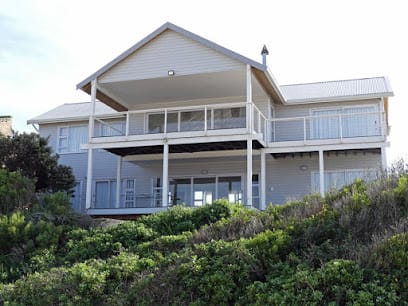
PE Timber Homes is a Construction company establishment in Kouga Local Municipality, Eastern Cape, South Africa
PE Timber Homes: Timber‑built Living in the Eastern Cape
PE Timber Homes operates in the Kouga Local Municipality of the Eastern Cape, offering specialist timber home design and construction services. The business positions timber as a natural, versatile and economically attractive choice, emphasising comfort, character and energy efficiency. Instances of client collaboration highlighted on the website emphasise strong builder–client relationships and a collaborative approach to realising a dream home from concept to completion.
From the perspective of an independent observer, the organisation presents timber homes as a lifestyle solution rather than a single product. The site stresses several appealing attributes of timber construction: reduced energy expenditure, environmental friendliness, safe and comfortable living environments, and the potential for growth and alteration over time. Timber is described as a material that tolerates soil movement and can be easily amended or extended, positioning PE Timber Homes as a partner for both initial builds and future adaptations.
The primary service offering centres on the construction and realisation of timber homes. While the site does not publish a comprehensive services menu in a traditional brochure format, the emphasis is on custom, timber-based dwelling projects. The philosophy conveyed highlights flexibility in design, enabling clients to tailor spaces to personal preferences and changing needs. The emphasis on client testimonials and positive feedback indicates a priority placed on responsive communication and constructive client experiences throughout the project journey.
Main services offered
- Custom timber home design and construction — timber as the core material for primary dwellings, focusing on comfort and character.
- Support for modifications and extensions — timber’s stated versatility supports future alterations and additional space without compromising structural integrity.
- Consultation-driven project delivery — emphasis on building strong relationships with clients, often initiated via email or remote correspondence, followed by in-person meetings as projects progress.
Typical job types and projects
- Detached timber houses and cottages — embracing timber’s natural appeal and energy-efficient potential.
- Extensions and alterations to existing timber or conventional structures — aligned with timber’s adaptability and ease of modification.
- Smaller to medium domestic projects — reflecting the company’s focus on personal, custom-built living spaces rather than large-scale commercial builds.
How requests usually work
The website communicates a collaborative ethos, with client relationships highlighted as a central value. The typical process appears to involve initial correspondence by email to discuss ideas and requirements, followed by design discussions and subsequent meetings with clients when convenient. The emphasis on “building your new home together” suggests a cooperative workflow where client input shapes the design and build plan from the outset. The ability to manage projects by remote communication, occasionally culminating in in-person meetings at project milestones, is presented as a practical feature of the service offering.
Customer experience and testimonials
Visitor remarks on the site include references to a “brilliant experience” and ongoing engagement, underscoring a positive rapport with clients. Reviews highlighted among the public sections reflect a history of satisfied clients and active project documentation, including exchanges of ideas and visual records. This customer focus aligns with the stated philosophy that timber homes offer a lived-in feel and character, rather than a purely functional build.
Practical tips for customers
- Discuss design flexibility early — timber homes can adapt over time, so consider future needs and potential extensions from the outset.
- Clarify timelines and communication preferences — determine how often updates will be provided and through which channels (email, virtual meetings, in-person site visits).
- Ask about site considerations — ground conditions and logistics can influence timber construction approaches; request guidance on soil movement and foundation needs as relevant.
- Consider energy and comfort goals — timber’s insulating properties can contribute to a comfortable living environment; explore detailing that enhances ventilation and natural light.
- Review testimonials and case studies — look for client experiences that resemble the intended project scale to gauge compatibility with expectations and working style.
PE Timber Homes serves the Kouga basin with a focus on timber as a living material that accommodates imagination and practical needs alike. The approach prioritises personal relationships, custom design, and a pathway to a home that can evolve with its occupants while remaining rooted in the benefits of timber construction.
Location and area served: Kouga Local Municipality, Eastern Cape, South Africa.
Kouga Local Municipality
Eastern Cape
South Africa
Sorry, no records were found. Please adjust your search criteria and try again.
Sorry, unable to load the Maps API.
Construction Services in Kouga Local Municipality, Eastern Cape
In the Kouga Local Municipality, construction companies commonly offer a broad range of services designed to support the development of residential, commercial and public infrastructure. These firms often operate within coastal and inland communities, bringing technical capabilities to projects that require locally responsive planning, reliable scheduling and adherence to regulatory standards. The scope typically includes design guidance, project management and on-site execution, with attention to the climate, terrain and resource constraints characteristic of the Eastern Cape region.
Core services frequently encompass civil and structural works, including the construction of new buildings, extensions and renovations. Builders may handle foundations, framing, in-situ concrete, brickwork, roofing and finishing trades, coordinating a team of specialists to ensure that workmanship aligns with industry norms. For larger ventures, construction enterprises often collaborate with engineers, surveyors and quantity surveyors to refine drawings, estimate costs and manage risk across the project lifecycle.
Specialist capacity is commonly available for tasks such as concrete works, steel installations, waterproofing, tiling, plastering and painting. In the Kouga area, energy-efficient practices and the incorporation of local materials can be important considerations, with some projects prioritising thermal performance, water utilisation and sustainable sourcing where practical. Construction firms may also provide services for renovations to public facilities, schools and healthcare buildings, subject to appropriate approvals and compliance with local planning requirements.
Contract administration is a familiar component of service delivery. Clients can expect assistance with procurement planning, contractor selection and progress reporting. Timely communication, clear milestones and detailed change management help to minimise disruption and protect
cost control. Where environmental and heritage regulations apply, responsible practitioners navigate permitting processes and ensure that works respect local sensitivities and regulatory constraints.
Site preparation often forms the initial phase of a project. This includes surveying, land clearance, drainage planning and temporary works, with consideration given to coastal conditions, wind exposure and soil stability. On-site health and safety practices are typically emphasised, alongside quality control measures designed to verify workmanship against planned specifications. The aim is to deliver durable structures that withstand the region’s weather patterns and climate variability.
Clients seeking construction services in Kouga can expect a consultative approach that begins with defining objectives, budgeting constraints and programme targets. Feasibility assessments, preliminary design input and value engineering may be offered to help align aims with available resources. As projects advance, detailed drawings, cost schedules and construction timelines are refined to support orderly implementation and predictable handovers at completion.
Practical considerations in choosing a construction partner include local presence and accessibility, the ability to mobilise equipment and skilled labour, and a track record of delivering within the Eastern Cape context. Contractors frequently emphasise reliable supply chains for essential materials, flexibility in addressing unexpected site conditions, and commitment to compliance with building codes and municipal requirements. For prospective clients, it is prudent to verify insurance arrangements, warranty terms and the capacity to manage variations that arise during the course of a project.
Overall, construction companies serving Kouga Local Municipality are positioned to handle projects from initial concept through to completion, balancing practical constraints with professional expertise. The resulting outcomes typically reflect careful planning, disciplined execution and attention to the unique characteristics of the region, delivering spaces that support communities and local enterprise.