Second-hand Garden Playhouses
Popular Styles of Pre-owned Playhouses
In South Africa, backyards are evolving. A recent survey hints that 62% of families with kids value affordable, sturdy play spaces over new models.
Second-hand garden playhouses come in popular styles that suit varied gardens and budgets.
- Cottage-style with a pitched roof
- Timber cabin vibe with sturdy doors
- Modern A-frame with large windows
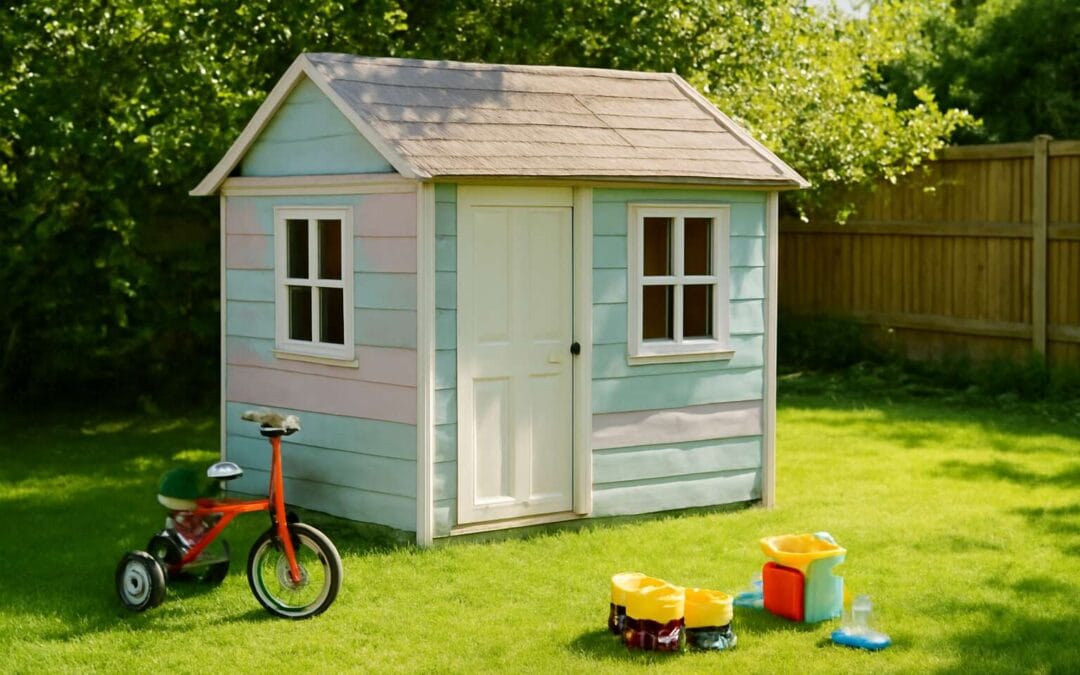
- Pastel-painted playhouses for small gardens
These styles capture a range from compact urban plots to open suburban spaces.
Pre-owned playhouses offer robust build quality when inspected—think pressure-treated timber, weatherproof finishes, secure latches, and intact floors.
With care, a used wendy house can become a staple of playful South African afternoons.
How to Inspect Exterior Condition
In South Africa, 62% of families with kids crave affordable, sturdy play spaces—an invitation the right second-hand treasure answers with a dash of magic. A used wendy house holds stories in its weathered grain, and exterior checks begin with a patient eye, scanning for telling signs of wear.
Look up at the roofline for loose shingles, sagging rafters, or moss that whispers moisture intrusion. Move to walls for soft boards, cracks, or peeling paint that invites rain.
A few quick checks keep investment secure:
- Roof and gutter lines whisper weathering, with moss or rust hints
- Timber texture feels solid, not soft to the touch
- Joints and latches show wear without wobbly play
- Foundation looks level, with footings settling evenly
If these hold, the journey to a playground centerpiece can begin, with the charm of a well-loved companion in South African backyards.
Checking for Structural Integrity and Floor Support
“Strong bones, softer memories,” a craftsman once whispered, and a used wendy house reveals its truth beneath the gloss of play. In the right light, the floor tells tales of yesterday’s laughter.
On approach, the floor should feel firm, not springy, with timbers that breathe but don’t tremble. Inspect inside for flex along the center, any gap between boards, or loose nails that wink at rot. The subfloor and joists should work in quiet accord, with no wobbly rhythm when you step.
The following signs point to lasting support:
- Solid floorboards with minimal bounce
- Healthy joists and noggings, no signs of termite trails
- Evenly settled footings, no unlevel gaps
When these harmonies remain, a second-hand garden playhouse can dream anew in a South African backyard, a heartbeat of safe, sunny afternoons.
Common Wear and Tear to Expect
In SA backyards, a used wendy house often carries weather marks after years of sun and rain. Those marks are part of its charm, not a failure, and they set expectations for buyers.
Common wear and tear to expect includes the following:
- Faded paint, chipped edges and weathered trim
- Loose hinges or rust on metal fittings
- Doors that stick or windows that drag
- Damp corners with a musty scent and occasional mould
Despite these signs, the playhouse still holds promise: colour, light, and memories waiting for a new chapter.
Mechanical Condition and Safety Checks for Used Play Structures
Wood Treatment, Sealing, and Pest Prevention
A sun-warmed SA afternoon can hide a quiet rot in a used wendy house. Mechanical condition and safety checks guard against hidden danger. In this market, test hinges, latches, and door alignment; a wobbly frame or creaky floor can whisper trouble long before it’s obvious. Watch for sharp edges, loose nails, and misaligned openings—the red flags that separate charm from risk.
- Hinges, latches, and door alignment
- Frame wobble or loose posts
- Floorboards with soft spots or creaks
- Rust or corrosion on metal fasteners
Wood treatment, sealing, and pest prevention form the next act for a used wendy house. After the bones pass, consider borate-based treatments, weatherproof sealants, and termite safeguards common in South Africa. Proper sealing wards off moisture, while discreet pest prevention keeps wood-borers at bay, preserving the structure and the memories it holds.
Safety Features to Look For (Rails, Doors, Latches)
Step into a sun-warmed SA afternoon, and a used wendy house becomes a theatre of echoes. A 15-second listen can reveal trouble—loose frames, creaky joints, doors that balk. I read the signs where safety rests on unseen integrity and quiet signals.
Safety features to notice—rails, doors, latches—are the spine of the playhouse’s charm. If you find a wobbly rail or a misaligned door, the story shifts from delight to caution.
- Rails: secure attachment, no wobble, smooth handholds
- Doors: proper alignment, no binding, clean edges
- Latches: operate easily, latch panels firmly
Beyond the obvious, check for frame wobble, loose posts, and any rust on fasteners. Soft floor spots or creaking boards can whisper trouble long before a fracture shows. In SA’s climate, watch for timber that’s been spared with care and edges that bite—safety first in every used wendy house.
Non-toxic Materials and Paints
Across a sunlit SA afternoon, a used wendy house carries more than paint and timber; it holds memories and a promise of safety. “Safe play, steady hands,” a neighbour once told me, and I believed it.
Mechanical condition is the heartbeat—the frame, joints, and fasteners. Look for tight connections, no wobble, and a floor that feels solid underfoot. Quiet rust and sagging panels tip you toward caution.
Non-toxic Materials and Paints matter as climate and children mingle in SA. Consider these cues:
- Non-toxic finishes and paints that meet local safety standards
- Solid timber with low formaldehyde emissions
- Lead-free hardware and water-based sealants
- Low-VOC coatings that resist heat and sun
A wendy house thrives when it speaks the language of care and longevity; in rural life, that means timber preserved, finishes safe for little hands, and a story that continues to breathe.
Stability Tests for Doors, Windows, and Roofs
Mechanical condition is the heartbeat—the frame, joints, and fasteners. In a sun-warped SA afternoon, the used wendy house reveals its truth in a quiet tremor: doors that balk, a floor that feels solid, and a frame that murmurs time’s patient tale. I listen for a steady creak and a quiet sense of safety.
Stability tests for doors, windows, and roofs are not mere rituals; they measure a promise of safety in rural South Africa. Here are cues to observe without fanfare:
- Doors: solid latch, minimal sag, and tight hinges
- Windows: true alignment, smooth sash, secure glazing
- Roofs: ridge stability, panel fastening, and signs of sag
These checks should feel like a single breath: doors that latch with confidence, windows that stay true, roofs that resist rust. A well-behaved relic hints at longevity and quiet resilience.
Buying Guide for Pre-owned Playhouses
Determining Desired Size, Access, and Layout
Space is the true budget item in any South African yard. When shopping for a used wendy house, size, access, and layout decide how freely kids will play and how often adults will use it for storage or a tiny retreat. A simple rule: the footprint should fit the space without crowding the garden, while leaving room for a path and shade. “Space is not a luxury; it’s the scaffold of play.”
Consider these guiding points when evaluating a used wendy house:
- Footprint fits available space and allows a clear path
- Access for cleaning, maintenance, and daily use
- Layout that accommodates light, ventilation, and play zones
Beyond size and access, the interior layout should support safe use, cross-ventilation, and easy maintenance. A well-chosen model respects the landscape and existing structures, slotting neatly into SA outdoor spaces rather than clashing with them.
Budgeting, Value, and Resale Potential
In every SA yard, a well-chosen used wendy house can become a sunlit doorway to imagination and lasting value.
Budgeting for pre-owned playhouses blends price, upkeep, and future resale. From my experience, the strongest returns come from balance: the purchase price, the cost of any refresh or maintenance, plus delivery and setup in a tidy package.
- Purchase price versus refurbishment needs
- Delivery, site access, and installation
- Market demand and resale potential
Value and resale potential rise when a unit remains solid, well-painted, and compatible with South African outdoor spaces, inviting buyers to imagine new chapters.
Where to Find Used Playhouses: Online Marketplaces and Local Dealers
In the hunt for a used wendy house, savvy buyers scan online marketplaces and local dealers with the swagger of a seasoned bargain hunter. A solid unit can brighten a SA backyard and spark hours of imagination without wrecking the budget.
- Check seller credibility and read reviews, especially after-sales service
- Request detailed photos and exact measurements to avoid surprises
- Compare delivery quotes and refurbishment options for a tidy final package
Look for listings that show clear shots of doors and floors, confirm fit for your space, and verify a reasonable return policy. With patience, a pre-loved playhouse can feel like a brand-new doorway to adventure.
Negotiating Price and Spare Parts Availability
Entering a chat with a seller in South Africa, I chase a bargain that rings true rather than a mirage. A well-chosen used wendy house can infuse a SA yard with whimsy and resilience, but price is a compass, not a trap. Start with a fair window, request maintenance notes, and be honest about your timeline; a thoughtful offer often unlocks flexibility on refurbishment options and delivery.
- Negotiate with the seller on refurbishment needs and contingencies
- Ask for spare parts availability and compatibility with local suppliers
- Arrange a viewing that confirms latch, hinge, and door geometry
With patience, you map out a purchase that stays sturdy without draining your budget. When spare parts are spoken for and delivery is clear, a simple transaction becomes a confident step toward a durable, playful addition to the home.
Delivery, Assembly, and Installation Considerations
Delivery Logistics and Access Challenges
Delivery to a South African garden is the opening incantation of a used wendy house in its new life. It arrives as a promise, only fully realized when the road, gate, and driveway yield to its modest architecture and the morning sun greets the timber with a wink.
Delivery Logistics and Access Challenges shape the schedule. Gate width, turning space, driveway accessibility, and any overhead obstructions could snag the path on the way in.
- Gate width and turning space
- Driveway accessibility and surface
- Overhead obstructions and fences
Assembly and installation call for calm coordination and a patient pace. When the moment arrives, imagine sunlit corners and a confident doorway becoming part of your garden story.
Assembly Timeline, Tools, and Helpers
A used wendy house arrives as a promise, a small cabin warming the morning garden. The assembly timeline unfurls with the sun: unpacking, aligning panels, a doorway choosing its moment. Weather and the pace of helpers shape the rhythm, turning quiet anticipation into a sunlit corner.
Tools and helpers determine how gracefully the work moves. Gather a few essentials, then invite willing hands:
- Spirit level
- Cordless drill
- Screwdriver
- Hammer
- Measuring tape
- Safety gloves
On larger or awkward sites, a professional installer offers a steady hand and a safety margin that keeps the project calm. In South Africa, coordinating access and daylight arrival can turn a simple frame into a story standing proudly in your garden — a used wendy house finding life there.
Ground Prep, Leveling, and Anchoring
In South Africa, a well-placed used wendy house can redefine a garden into a sunlit salon, where memories are stored in cedar-scented corners and tomorrow’s play becomes today. Delivery schedules hinge on daylight and access, turning gates and driveways into a careful choreography. A calm carrier arrives with a promise of order, and assembly unfolds with a quiet rhythm as panels align and doors find their hinges in the morning light.
Ground prep, leveling, and anchoring emerge as the unglamorous yet vital acts that let the cabin breathe with durability. Consider the base’s stability, the timber’s grain, and the wind load across a garden.
- Delivery access and daytime window
- Base type: concrete slab, compacted soil with sleepers, or pavers
- Anchoring method and wind considerations
On-site collaboration brings a professional installer, a steady hand who helps the project settle with daylight and a respectful approach to space. The result is not merely a structure but a small sanctuary joining house and yard.
Weather, Seasonality, and Storage Considerations
Delivery, assembly, and installation of a used wendy house feels less like a transaction and more like a polite waltz across a sunlit driveway. In South Africa, daylight sets the tempo, and a courteous courier is as important as the hinges themselves. Weather and seasonality temper the pace, yet the morning fitting remains a ritual of quiet satisfaction and proper spacing.
On-site collaboration with a professional installer ensures the project breathes in the calm light and respects every sliver of space. When storage becomes part of the narrative, the logistics soften; think shaded corners, dry ground, and a tidy stash of screws ready to reappear when the moment is right!
- Keep timber dry and off damp ground
- Store components in shade to preserve finishes
- Secure hardware to prevent loss or rust
Ultimately, a well-placed used wendy house evolves from timber and screws into a small sanctuary joining house and yard.
Maintenance, Longevity, and Upgrades for Second-hand Units
Seasonal Cleaning and Pest Prevention
Maintenance of a used wendy house isn’t glamorous, but it’s the quiet labor that keeps wood singing through South African sun and seasonal showers. Regular checks on lintels, hinges, and seals, plus a fresh coat of UV-resistant finish, can give a second-hand unit a much longer life.
Longevity hinges on upgrades more than brute force. For second-hand units, weatherproof battens and better door seals can help the structure age with grace.
- Seasonal cleaning and pest prevention: maintain timber health and interior air quality.
- Moisture management: ensure ventilation to deter rot and insects.
In SA climate, a quiet corner deserves calm protection and a routine that feels like care.
Weatherproofing: Wood Treatment and Roof Care
In the heat and hush of South Africa’s sun, maintenance whispers louder than drama. A well-kept used wendy house endures, its timber singing through rain and glare with a patient, regular cadence. A fresh UV-resistant finish, loose hinges checked, and seals renewed can add supple years to its life.
Longevity hinges on upgrades more than brute force. For second-hand units, weatherproof battens and tighter door seals help the aging frame age with grace.
- Weatherproof battens and ventilated spacers
- Tight door seals and gasket upgrades
- UV-stable finishes for extended gloss and rot resistance
Weatherproofing and roof care for a used wendy house demand a careful touch: treat the timber, mend any minor splits, seal seams, and keep the roof ridges clear of leaf litter. A protective coat that binds resin and resists SA sun helps this little house weather many summers.
Simple Upgrades: Paint, Roofing, and Accessories
Maintenance is the heartbeat of a used wendy house, a patient rhythm that keeps timber singing through South Africa’s sun and rain. A fresh coat of UV-resistant pigment, hinges that glide true, and renewed seals can stretch years from a well-loved frame, turning caution into quiet confidence.
Longevity arises not from brute force but from thoughtful upgrades. For second-hand units, modern coatings, resilient roofing materials, and reliable hardware help the aging frame age with grace.
Here’s a simple upgrade trio that breathes new life into the purchase:
- Paint: UV-stable coatings that keep colors bright and timber protected
- Roofing: durable sheets or shingles that shrug off heat and rain
- Accessories: dependable hardware and weather-strips to refresh operation
This is how a treasured structure becomes a garden companion, aging with grace and character rather than groaning under the sun.
When to Repair vs. Replace
Maintenance is a quiet vow in a used wendy house, the heartbeat that keeps timber breathing through South Africa’s sun and rain. Regular checks on joints, seals, and drainage reveal the truth: care compounds character and resilience. With a patient rhythm, small fixes turn caution into quiet confidence.
Longevity is not brute force but a creed of thoughtful renewal. In second-hand units, the right refresh—coatings that resist SA summers, trustworthy roofing, and sturdy hardware—lets aging frames age with grace. The question becomes: is it safer to repair or to retire a corner piece with hidden stress?
- Cost-to-benefit of repairs vs replacement
- Structural safety checks over cosmetic fixes
- Availability of parts and prospect of future maintenance
Upgrades for discerning owners strike a balance between nostalgia and utility. The aim is to preserve character while improving touchpoints—that keep the wendy house welcoming rather than wary of time.