
Choosing the right paint for a Wendy house
Types of paint suitable for playhouses
Bold colour is a passport to imagination, especially under the South African sun. The right wendy house paint can keep hues bright through seasons, and a local designer once said, “Colour is storytelling for a child’s world.” Look for low-VOC, water-based formulas that are durable and easy to clean, so the space stays welcoming rather than faded after storms.
Here are paint options that suit play spaces without compromising safety or strength:
- Water-based acrylic exterior paint (low VOC)
- Non-toxic interior latex for play areas
- Exterior enamel with UV protection for trims and details
Choosing paint with UV resistance and washability gives a playground that ages gracefully in the SA sun. A satin or eggshell finish balances durability with a gentle feel, inviting little adventurers to explore every corner.
Exterior vs interior paint considerations
South Africa’s sun writes its own story on a wendy house, and colour can fade up to 40% in a year without UV protection. A bright coat that survives the year feels almost supernatural.
Exterior paint must battle wind, rain, and blazing glare. Choose water-based acrylic exterior paint with low VOC and UV inhibitors, finished in satin to resist spray and scrapes.
Inside, safety comes first. Non-toxic interior latex for play areas reduces fumes, while a washable finish accepts fingerprints and muddy boots after storms. For the overall project, apply a dedicated coat of wendy house paint to unify the space and protect timber.
- Exterior: UV resistance, low VOC, weatherproof finish
- Interior: Non-toxic, washable, low odor
- Finish choice: Satin or eggshell for balance
Primer and surface preparation essentials
Sunlight in South Africa seems to bend time around a wendy house, and without UV protection, colour can fade by as much as 40% in a year. A thoughtful primer is more than a base coat—it’s a timber whisperer, sealing pores and taming tannins so the wendy house paint speaks clearly from first sight. When the right primer meets the grain of the wood, the colour glows with a steadier, longer memory.
Surface prep is the quiet hero of the finish. Clean, dry timber; a smooth, even texture; and a primer that respects the timber’s character set the stage for true colour. The conversation between primer and paint determines durability, readability, and the sense that the playhouse remains part of the landscape rather than a shadow on it.
Durability and weather resistance features
South Africa’s sun-cracked afternoons test any playhouse. The right wendy house paint acts as a shield, slowing fade and keeping colour legible long after summer storms.
Durability and weather resistance are not afterthoughts; they’re the design language. Look for UV stabilization, moisture repellence, and enduring adhesion to timber. The finish should tolerate heat, wind, and occasional rain without cracking or peeling.
- UV stabilization for long color life
- Moisture repellence against rain and humidity
- Strong adhesion to timber and minimal peeling
- Colorfastness across temperature swings
Finish choices matter too: mid-sheen finishes offer a practical compromise between chalk-white brightness and washability, while gloss delivers edge and wash-resistance—useful if the wendy house sits near garden irrigation or coastal spray.
Color palettes and design ideas for a Wendy playhouse
Popular color schemes for kids’ playhouses
Color is the first doorway to a Wendy playhouse’s personality. A vibrant exterior can ignite outdoor imagination, and in South Africa’s sun-soaked backyards, the choice of wendy house paint matters more than you might expect. A bold hue sets the mood for adventures that begin the moment the door creaks.
Palette ideas for African light shape enduring charm. Consider these color stories:
- Sun-kissed yellow with teal trim
- Powder blue and crisp white accents
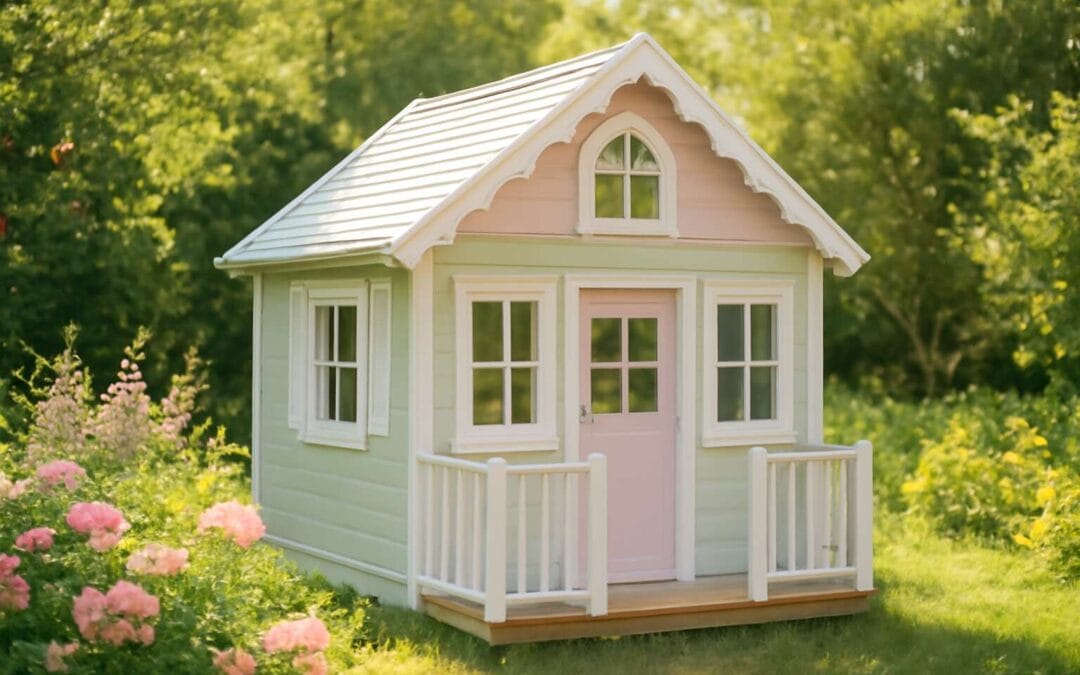
- Sage green body with buttercream details
- Primary trio: cherry red, cobalt blue, sunshine yellow
Pair color with thoughtful details—trim, window frames, and a roof color that plays with shade rather than glare. The right wendy house paint finish can tame glare. Subtle textures and a satin sheen soften light, keeping the look kid-friendly and resilient.
Together, a well-chosen palette and playful accents create a character that grows with the garden and the stories told inside it.
Creative two-tone and accent color ideas
In the SA sun, color is more than decoration—it invites adventures and shapes little worlds. As designer Lindiwe Mkhize says, “Color is the doorway to a child’s imagination.” The wendy house paint you choose becomes the compass for play, mood, and resilience in any garden stage.
Creative two-tone and accent color ideas invite the eye to roam. Try these palettes:
- Sun-kissed yellow with teal trim
- Powder blue body with crisp white accents
- Sage green body with buttercream details
- Primary trio: cherry red, cobalt blue, sunshine yellow
Pair color with trims, window frames, and a roof color that plays with shade rather than glare. The right finishes, including a satin sheen, can tame glare and keep surfaces durable—enhancing the longevity of your wendy house paint and the stories told inside.
How to choose colors that grow with your child
In the SA sun, color becomes shelter and adventure, a shadow-woven doorway to imagination. A telling stat: 70% of children respond more vividly to a thoughtful palette than to doors alone, proving hue can mold a garden stage and the stories born within.
With wendy house paint, I invite these palettes to guide imagination and resilience.
- Sun-kissed yellow with teal trim
- Powder blue body with crisp white accents
- Sage green body with buttercream details
- Primary trio: cherry red, cobalt blue, sunshine yellow
Pair color with trims, window frames, and a roof color that plays with shade rather than glare. The right finishes, including a satin sheen, tame glare and extend the life of your playhouse, keeping tales alive through seasons.
Lighting and color perception tips
In South Africa’s sun, color becomes shelter and story. A telling stat says 70% of children respond more vividly to a thoughtful palette than to doors alone—design is the play’s opening act. With wendy house paint, color guides imagination and resilience.
Lighting changes perception. Daylight reveals true tones, while warm LEDs soften punchy primaries and invite cosier corners. Pair trims and roof with shaded contrast to create a theatre of shade; a satin finish tame glare and reveal texture as tiny explorers nose around.
- Let daylight guide hue choices for truer palettes
- Soft glazes tame saturation without sacrificing life
- Satin or eggshell finishes balance glare and durability
Let the space breathe, and let curiosity lead the way as tiny builders test the color of their days.
Safety and health considerations when painting a Wendy playhouse
Low-VOC and non-toxic options
Paint should shield imagination, not chisel away at it with fumes. In the realm of wendy house paint, safety is a moral colour—the quiet standard by which we measure care. A thoughtful choice prioritises low-VOC and non-toxic options, because tiny lungs and bright smiles share the same light. As one health-ethicist puts it: safety is color and air in equal measure.
When selecting wendy house paint for South African homes, look for these indicators of responsible product design:
- Low-VOC or zero-VOC formulations
- Non-toxic, water-based systems suitable for indoor use
- Clear labeling and third-party certifications that verify safety
Beyond emissions, consider how the finish may irritate young skin or interact with sun exposure, keeping health at the forefront while stirring color into play spaces.
Lead paint history and current regulations
Safety wears a quiet crown over every stroke of colour on a child’s play space, and I listen for its murmur in the creak of a shutter. In South Africa, the air around a wendy house should be gentle, even when the sun slants long and the shadows lengthen on fresh paint.
- Historic use of lead pigments in paints
- Regulatory shifts toward lead-free finishes
- Current labeling and third-party safety certifications
When you select wendy house paint, let lead paint history and current regulations guide your choices, ensuring safety does not silence imagination. A quiet standard—the kind that respects tiny lungs and bright smiles—becomes the color you can’t see but can feel.
Storage, handling, and cleanup safety
One calm breath tells you everything: safety must precede color when a child’s world is painted. In South Africa, selecting wendy house paint with low-VOC keeps air gentle and playtime vibrant, not compromised by fumes.
Storage, handling, and cleanup safety are guardrails. Paints belong in their original containers, sealed and out of reach. Solvents deserve a locked cabinet, clearly labeled and away from heat. After painting, brushes are rinsed in water outside living spaces and spills are promptly addressed to protect tiny lungs. In the SA market, choosing options that respect health translates into more confident, imaginative play.
Ventilation best practices during painting
Fresh air is a silent safeguard. Tiny lungs crave it, and safety must precede color when a child’s world is painted. For wendy house paint, consider how fumes linger and air shifts long after the final stroke in SA homes. The playhouse seems to hold its breath, waiting for a breeze.
Ventilation best practices during painting keep playtime safe. Do these, and breathe easy:
- Airflow as a guiding principle during color sessions
- Open design: windows and doors as catalysts for breeze
- Post-paint calm as a courtesy to tiny lungs
After the last stroke, let the area air out before little hands return. Schedule a curing window, keep the area supervised, and choose a moment when the wind has carried away the final scent. Safety still speaks softly; color follows.
Application techniques and best practices
Surface prep steps and priming
Dark corners, sunlit edges, and the quiet ache of timber waiting to wear a glow—surface prep is the spell that makes color endure. In South Africa’s fickle climate, the right foundation threads a lasting life for wendy house paint and keeps tones honest through rain, heat, and the echoes of small hands at play.
Surface prep and priming bind timber to pigment, a covenant of adhesion and sealing. The unseen steps set the stage for a durable finish. Key considerations include cleanliness, achieving a mechanical key, moisture control, and primer compatibility with the substrate and finish coats.
- Surface cleanliness and mechanical key
- Moisture sealing and stain blocking
- Primer compatibility with timber and finish coats
Application techniques unfold as measured strokes and patient drying. A steady hand at the cut lines, careful roller work, and a respect for grain let color settle with solemn grace.
Brush, roller, and spray guide for small wooden structures
Application techniques for small wooden structures demand patience and rhythm. The right brush, roller, or spray can coax a living, grain-touched finish from wendy house paint, turning playhouses into enduring scenes. Work in sections, feather edges, and respect the timber’s breath as coats settle.
The essentials in practice:
- Brush: synthetic bristles, long feather strokes with the grain, keep a damp edge and light pressure to avoid buildup.
- Roller: medium-nap cover, 6–9 inch, work in even, overlapping passes and maintain a consistent pace to prevent lap marks.
- Spray: wide fan nozzle, steady distance (roughly 30–40 cm), slow cross passes with 50% overlap for a uniform mist.
- Finishing: avoid reworking dry edges; tip off with barely connected strokes for a seamless appearance.
These techniques thrive in temperate days where temperature and humidity coax smooth drying. Maintain ventilation and steady airflow to prevent dust entanglement and to keep pigments honest as they cure.
Layering, drying times, and weather windows
Layering wendy house paint is less a race than a dialogue with timber; the grain speaks, and the color learns to listen. Coherence emerges when coats settle with the wood, not against it. The right weather window helps the pigment breathe and cure, letting the finish render its character across the walls.
Layering is a quiet art: each coat should harmonize with the previous one, echoing the timber’s texture rather than masking it. Drying times shift with temperature and humidity, so a temperate day in South Africa often reveals the truest tone and grain. When the light shifts, the color seems to tell a different story, which is exactly the point of depth and memory.
Patience, observation, and restraint replace haste; the finish matures as pigments settle and the air carries away solvent. The result is a resilient, living surface that feels both contemporary and timeless.
Common painting mistakes and fixes
Application techniques in wendy house paint demand discipline, not drama. Maintain a steady rhythm—long, even strokes, feathered edges, and a true wet edge to prevent lap marks. Start by cutting in at corners and along trims, then roll in uniform patches to keep color consistent. With wendy house paint, you’ll hear the grain better when the pigment accepts the timber rather than hiding it; patience here is proof of quality.
Best practices include prepping tools, masking nearby surfaces, and keeping a clean roller sleeve. Brush care matters—wipe, wrap, and avoid overloading. The following fixes address common mistakes without derailing progress:
- Overbrushing creates visible brush marks; let it flash, then lightly cross-pass.
- Runs and sags signal over-application; feather and allow to dry before a second coat.
- Moist timber or high humidity prevents adhesion; dry the surface, sand lightly, and prime again.
Good lighting and a calm pace make the finish feel both modern and timeless.
Repairing and maintenance after painting
In the quiet workshop, wendy house paint becomes a spell that rewards patience. Application techniques demand rhythm: long, even strokes, feathered edges, and a true wet edge to banish lap marks. I let the pigment embrace the timber, watching colours stay honest and alive under South African sun and coastal breezes.
Repairing and maintenance after painting is a quiet discipline that keeps the playhouse speaking with pride. Observing how light plays on the finish, noting subtle changes in colour or gloss, and planning a respectful refresh as the seasons shift—this philosophy extends the finish’s life without shouting for attention.