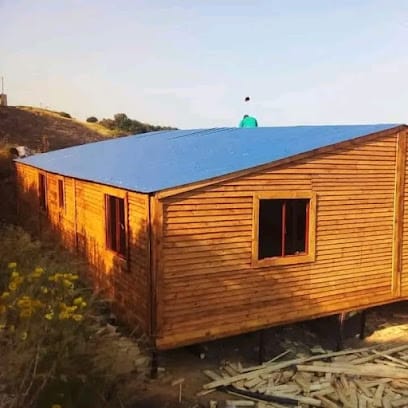
Eli Wendy Houses Durban is a Log home builder establishment in Queensburgh, KwaZulu-Natal, South Africa
Eli Wendy Houses Durban: Wooden Structures for Living, Work and Play
Based in KwaZulu-Natal and serving areas including Durban and Pietermaritzburg, Eli Wendy Houses Durban offers a range of high-quality wooden constructions designed to meet both practical needs and aesthetic preferences. The company specialises in crafting structures that blend durability with customised styling, focusing on wind-resistant and weather-tough finishes that suit outdoor environments. The offering extends beyond simple cabins to create flexible spaces that can function as accommodation units, home offices, storage, play areas and more.
Core services presented include Wendy houses, log cabins, garden sheds, home offices, playhouses and accommodation units. Across these categories, the emphasis is on bespoke design and local manufacture, delivering units that are tailored to individual site constraints and client requirements. The portfolio highlights a balance between traditional wooden builds and complementary options, such as Nutec cabins, which provide a low-maintenance alternative with practical benefits for coastal or urban settings.
In terms of job types, the company appears to handle a spectrum that reflects residential and small-scale commercial needs. Wendy houses and log cabins are positioned as versatile living or leisure spaces, suitable for guest accommodation, weekend getaways or quiet working rooms. Garden sheds are marketed as both storage solutions and workspaces for hobbies or DIY projects. Playhouses address family needs by offering safe, child-friendly outdoor spaces. Nutec cabins serve those seeking fast-installation and lower upkeep, with a focus on weather resistance and durability. The breadth of offerings suggests a capacity to deliver complete structural solutions from initial design through to installation.
Customer experience is described through several visitor reviews that consistently praise professionalism, clear communication and efficient on-site execution. Reported installation times vary, with examples noting five to seven hours for completing a cabin project and additional time for tasks such as deck installation. Clients frequently emphasise the straightforward process from inquiry to completion, with emphasis on transparency around costs and a reliable, tidy build that culminates in sturdy, well-finished structures.
Professionalism and expertise constitute a recurring theme in the narrative around Eli Wendy Houses Durban. The team is depicted as handling challenging site access with composure and delivering seamless, end-to-end service from design through to installation. The emphasis on customisation means each project is framed as a unique solution, rather than a one-size-fits-all product. This approach is reflected in feedback praising attention to detail, strong craftsmanship and the durable, long-lasting quality of the final builds.
Practical tips for customers seeking to engage Eli Wendy Houses Durban include initial focus on clarifying intended use (accommodation, office, storage, or play) to guide size, insulation, and finish choices. Prospective buyers may wish to gather their site constraints and access conditions early, as reviews indicate responsive service even when access is not straightforward. Requesting a detailed, itemised quote that covers components, installation timelines and any extra works (such as decking or electrical fittings) can help maintain transparency throughout the process.
Typical interactions are described as collaborative, with clients noting helpful, responsive communication during the inquiry stage and a smooth handover upon completion. The availability of a WhatsApp channel appears to support quick exchanges and on-the-ground updates, alongside traditional phone contacts. The installer’s attention to safety—using child-friendly finishes for playhouses and ensuring robust construction for all units—helps reassure families seeking outdoor additions for homes or gardens.
Visitors to the service area can expect a focus on local manufacture and turnkey solutions. The business serves KwaZulu-Natal communities, especially Durban and Pietermaritzburg, with installations designed to integrate with existing properties while offering custom layout and interior finish options. For customers planning a project, considering popular categories like log cabins for guest accommodation or home offices can help determine preferred materials and insulation levels for seasonal usability.
Key Takeaways for Prospective Clients
- Main offerings: Wendy houses, log cabins, garden sheds, home offices, playhouses, accommodation units, and Nutec cabins.
- Typical projects: Seasonal living spaces, storage solutions, hobby/workspaces, and safe children’s play areas.
- Process flow: Initial inquiry, customised design, transparent costing, on-site installation, and post-installation finish checks.
- Customer considerations: Site access, climate considerations, insulation and electrical/plumbing needs for accommodation or office use, and preferred interior finishes.
- Best time to engage: Contact through available channels for guidance on scheduling, with consideration given to local weather conditions for outdoor builds.
Business hours and best times to visit are not explicitly listed, but demonstrated accessibility through 24-hour contact options and a prominent messaging channel suggests flexibility for initial consultations and planning.
KwaZulu-Natal
South Africa
Sorry, no records were found. Please adjust your search criteria and try again.
Sorry, unable to load the Maps API.
Log Home Builder Services in Queensburgh, KwaZulu-Natal
In Queensburgh, KwaZulu-Natal, the demand for timber-based homes reflects a preference for warm, welcoming interiors and efficient construction methods suited to the region’s climate. Log home builders in this area typically offer a range of services that cover design, fabrication, and on-site assembly, emphasising durability, energy efficiency, and localisation of materials. Projects may span from compact timber cabins to larger, custom residences designed to blend with the rolling hills and suburbia surrounding Durban.
Core services usually begin with a consultation and site assessment. Built on a thorough understanding of the site, consultants consider access, topography, drainage, and proximity to the coast or tropical conditions that can influence timber selection and treatment. Builders frequently provide initial design options, incorporating elements such as timber thickness, wall log profiles, window and door placements, and rooflines that suit South Africa’s varied weather patterns. Emphasis is placed on achievable insulation values, moisture control, and ventilation strategies to ensure a comfortable interior environment year-round.
Once a design is agreed, several stages typically follow. A site survey and engineering input may be required to confirm foundations and structural integrity, particularly for multi-storey or larger proportions. Timber sourcing is a common focus, with attention to locally grown softwoods or hardwoods, tempering and treatment against termites and fungal decay, and appropriate seasoning to minimise movement after construction. The timber is usually delivered to site in prepared sections or as log units, depending on the chosen build method.
On-site construction often proceeds through a sequence: foundation preparation and concrete works, erection of the timber frame or log walls, roofing installation, and overlay systems such as cladding, exterior finishes, and weatherproofing. Employers and builders work to integrate electrical, plumbing, and insulation within the structure, ensuring compliance with regional building regulations and safety standards. Interior finishes—plastered or timber-lined walls, flooring, and cabinetry—are then completed, followed by exterior treatments that withstand KwaZulu-Natal’s sun, humidity, and seasonal rain.
Practical considerations for prospective clients include understanding maintenance requirements. Timber homes in KwaZulu-Natal typically benefit from protective treatments against pests and moisture, regular resealing of exterior surfaces, and checks for any timber movement or cracking that could affect doors, windows, or structural integrity. The choice of finishes, such as stains or paints, can influence upkeep schedules and long-term aesthetics. Builders often offer guidance on energy efficiency, including glazing choices, timber density, and curtain wall details that help maintain comfortable temperatures with sensible running costs.
Project management practices in Queensburgh commonly involve staged milestones, site preparation timelines, and co-ordination with local authorities for permissions and inspections. Clients can expect clear communication regarding progress, potential delays, and any planning considerations—especially where hillside or irregular plots are involved. Environmental considerations are increasingly factored in, with sensitivity to local landscapes and sustainable timber provenance where possible.
For those considering a log home in Queensburgh, the typical customer journey centres on a collaborative planning process, careful material selection, and a structured build programme designed to minimise disruption to surrounding properties. While exact timelines and costings vary with design complexity, site conditions, and finishes, the overarching model remains consistent: design, confirm, fabricate, transport, assemble, finish, and maintain. This approach helps ensure a durable, energy-efficient timber home that sits comfortably within KwaZulu-Natal’s climate and community.
- Initial consultation and site assessment
- Concept design and engineering input
- Timber sourcing, treatment, and delivery
- Foundations, frame erection, and roofing
- Electrical, plumbing, insulation, and interior finishes
- Exterior protection and ongoing maintenance guidance