
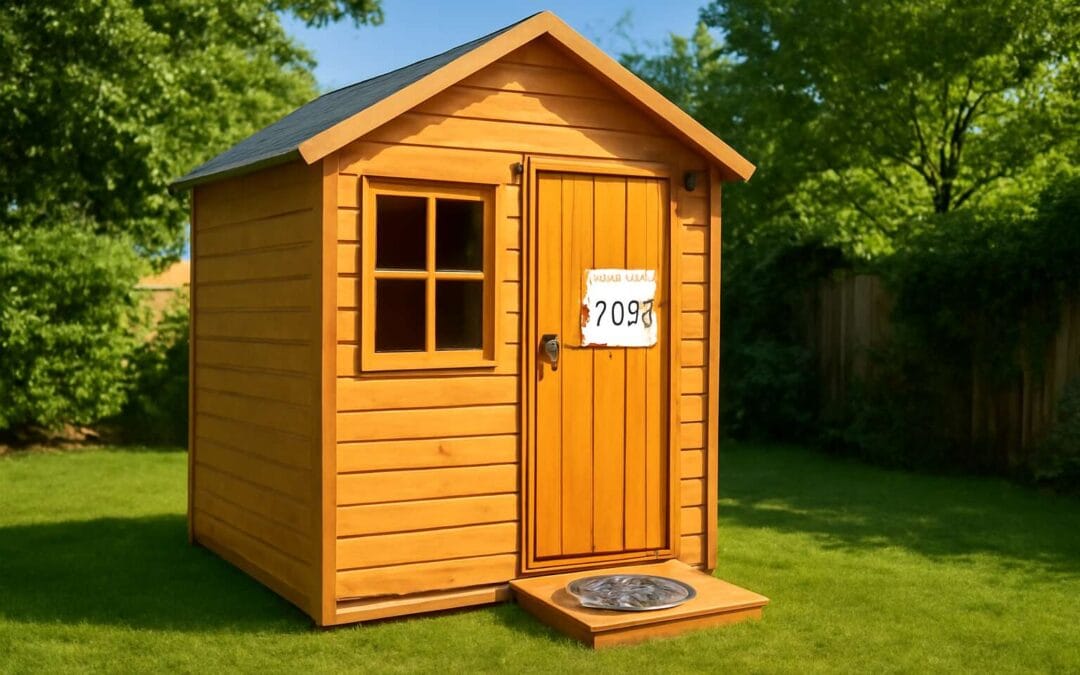
Size and Baseline Pricing for 3×9 Wendy House
Understanding the 3×9 footprint and how it affects price
That 3×9 footprint translates to 27 square meters of usable space—enough for a sunlit study or a compact studio. In South Africa, a 3×9 wendy house can become a warm retreat or a quiet workshop. When you dive into 3×9 wendy house prices, the shape nudges the cost: longer walls mean more materials and a broader foundation, while the footprint guides daylight and ventilation, shaping price from the start. I enjoy watching plans bloom into rooms that feel almost stitched from light.
Baseline pricing scales with area. A modest 3×9 m build might start around R60,000 to R90,000; insulation and finishing can push that to R120,000–R180,000, with premium fittings climbing higher.
Factors shaping 3×9 wendy house prices include:
- Foundation and leveling
- Cladding and insulation
- Roof type and finishing
- Doors and windows
Ultimately, 3×9 wendy house prices hinge on space meeting craft, turning 27 square meters into possibility.
Typical price ranges for entry level 3×9 wendy houses
Sunlit scope in 27 square metres, a 3×9 wendy house unfolds like a quiet poem in plan form. 3×9 wendy house prices, in their simple arithmetic, reveal more than cost—they map what fits, how light travels, and where a study might bloom. I watch plans bloom into rooms stitched from light!
As the footprint becomes real space, baseline pricing scales with area. For the pragmatic buyer, consider these entry-level bands:
- Basic shell (no insulation, minimal finishes): about R60,000–R90,000
- Insulated and finished: roughly R110,000–R170,000
- Premium fittings and bespoke touches: higher than R180,000
In this simple arithmetic, the 27 square metres become possibility—a warm retreat, a quiet workshop, a room stitched from light.
How materials and finishes alter the baseline cost for a 3×9 model
Within South Africa’s micro-living landscape, the 3×9 wendy house footprint speaks volumes. I watch a compact 27 square metres cradle a library, a studio, or a sunlit sanctuary, and the price you see is just the opening chord. “Small spaces, big implications,” as one architect insists. Size, materials, and finishes together choreograph what the final price becomes.
Here are the levers that push the baseline cost up from the core size:
- Core shell quality
- Insulation and cladding
- Interior finishes and fittings
Each choice nudges the price upward without diluting the promise of light and room.
From that footprint, the 27 square metres stretch into a realm of possibility. With careful choices, light, timber, and screenwork coalesce into a retreat that feels expansive rather than constricted, even as the baseline price remains a steady companion. 3×9 wendy house prices reveal their own quiet arithmetic—generous space, modest means.
Delivery, installation, and base costs for 3×9 wendy houses
South Africa’s backyards are learning to breathe anew, and a 3×9 wendy house stands at the crossroads of light and liberty. “Small spaces, big lives,” a local architect insists, and the footprint answers with promise—the price you see is only the overture.
Delivery, installation, and base costs shape the final figure. The core footprint remains 27 square metres, but site access, foundations, and crane requirements can nudge costs upward.
- Delivery to your site and hoisting onto a foundation
- Foundation prep and anchoring
- Base shell and essential fittings
From that starting point, the 3×9 wendy house prices reflect generous space with modest means. With light, timber, and screenwork, you can craft a retreat that feels larger than its price tag.
Materials and Build Quality Impact on 3×9 Wendy House Prices
Choosing timber types and their cost implications
“Timber is the soul of a shed,” a designer told me, and the stat in SA backyard circles is blunt: timber choice can push 3×9 wendy house prices up to 25%. The alchemy of grain, weight, and weather resistance translates directly into the price tag, even within a modest footprint.
Choosing timber types shapes durability and price. Softwoods such as pine are economical and quick to finish, while hardwoods like meranti elevate endurance and curb maintenance but demand higher upfront outlay. Engineered options offer stability at a premium.
- Pine or treated pine: affordable, easy to work with, needs protection.
- Meranti or hardwood: higher upfront, longer lifespan, richer finish.
- Engineered timber (ACQ/Accoya): premium upfront, stable, low maintenance.
Even within the 3×9 footprint, build quality—the joints, damp proofing, and finish—tells a story the price remembers.
Roofing options and price differences with a 3×9 size
Roofing is the price lever in 3×9 wendy house prices. In SA, upgrading from a simple sheet to a proper metal roof can push the total price by up to 20%, while better damp proofing and insulation stay with you for years.
From my experience, choices range from cheap galv tin to premium color-coated steel. A basic tin roof wears quickly in SA sun; color-coated steel lasts longer but costs more. Insulated panels add comfort and cut energy use, at a premium. For daylight, polycarbonate panels offer skylight potential without breaking the bank.
- Galvanized corrugated steel sheets
- Color-coated steel (Colorbond or Zincalume)
- Polycarbonate skylight panels
The final price is tied to build quality—joints, damp proofing, and finish—more than the raw frame alone.
Insulation, flooring, and additional features affecting price
Build quality whispers through the grain of a 3×9 wendy house, shaping its future price like wind shaping dunes. A South African survey shows 68% of buyers value damp-proofing and insulation enough to influence 3×9 wendy house prices, long after the last coat dries.
Materials and finishes are the quiet engines here. Lightweight timber frames with smart joints, treated floorboards, and a choice between budget sheet metal or premium color-coated steel tilt the dial on price. Insulation options—from basic foil-board to PIR panels—shape comfort and ongoing energy costs, a subtle but lasting impact on total cost.
Within these choices, build integrity drives price more than raw framing.
- Flooring quality and subfloor
- Damp-proofing and sealing
- Weatherproof windows and doors
These factors weave together to influence 3×9 wendy house prices.
Durability vs. cost: optimizing for longevity in a 3×9 build
Durability pays its own dividends; the 3×9 wendy house prices on paper tell only half the story. Prioritising build quality means choosing timber frames with tight joints, treated floorboards, and damp-proofing that shrugs off weather. In a South African climate, these choices lift the upfront cost slightly but trim long-term maintenance and repaint cycles, preserving value as the years pass. Longevity in a 3×9 build is practical wealth—resilience that keeps the structure usable when others falter.
- Timber grade and moisture control
- Quality joints, fixings and sealing
- Subfloor integrity and damp-proofing
Investing in robust doors, weather sealing, and a solid subfloor reduces the risk of cascading issues and helps stabilise 3×9 wendy house prices over the long haul.
Premium upgrades for climate control and security
In a market where durability outvalues novelty, longevity saves money—up to 30% on maintenance, often more than the price tag reveals. When you compare 3×9 wendy house prices, the real story isn’t the sticker; it’s the quiet savings from timber frames, tight joints, and damp-proofing that endure South Africa’s seasons.
Premium upgrades for climate control and security elevate the dream: precise joinery, treated floors, and robust fixings that withstand sun, rain, and curious winds. These choices lift the qualitative value, even if the initial quote sits modestly higher.
Over time, the narrative of 3×9 wendy house prices shifts from sticker shock to sustained usability.
Regional Availability and Market Variations for 3×9 Wendy Houses
Price variations by location and supplier networks
Across South Africa, regional winds shape 3×9 wendy house prices as surely as the seasons do. In Gauteng, brisk urban demand and efficient logistics often nudge prices upward, while coastal towns in the Western Cape contend with freight quirks that can flatten margins. The price tapestry is not a single number; it twists and stretches through local supplier networks, regional competition, and the pulse of local markets.
- Transport distances and freight costs differ by province
- Local supplier networks influence lead times and availability
- Seasonal demand and regional currency shifts affect pricing
By listening to these regional cadences, buyers have learned how a well-connected supplier network can turn distance into opportunity, translating regional price quirks into elegant, durable outcomes!
Lead times and their impact on overall cost
Across South Africa, the path from workshop to plot is a living map, and it shapes the price you see. Regional availability and market variations sculpt the journey of 3×9 wendy house prices, turning a single figure into a story of stock, roads, and timing. Lead times rise and fall with provincial stock levels, courier networks, and seasonal demand.
- Regional stock levels and provincial demand influence when an order can leave the yard
- Distributor networks determine the window for installation appointments
- Access to urban hubs versus rural plots alters travel time and storage costs
From my experience, these rhythms add texture to the overall cost; a quiet province with ready stock may carry a different price trajectory than a busy coastal corridor with longer waits. The final tag reflects the journey—from factory floor to garden—and the people who keep it moving.
Seasonal promotions and finance options for 3×9 models
In South Africa, regional availability and market variations sculpt the path from factory to garden, and that journey leaves its mark on 3×9 wendy house prices. When provincial stock runs low, orders pause and courier networks push delivery costs up or down. Urban hubs tend to have ready stock, while rural plots contend with longer travel times and added storage fees, turning a single price tag into a map of roads and timing.
- Seasonal promotions timed around holidays and rainfall patterns.
- Flexible finance options such as lay-by and instalment plans.
- Location-based offers that reflect urban depots versus remote plots.
Seasonal ebbs shape the visibility of incentives, but the true value lies in understanding how region, stock, and logistics knit together to determine the final price on your wendy house build. The human side—families planning a garden retreat, schools, smallholders—makes every quote feel personal.
Smart Shopping and Cost-Saving Tactics for 3×9 Wendy House Purchases
How to compare quotes effectively for 3×9 builds
In a market where 3×9 wendy house prices swing with the seasons, smart buyers press for clarity, not charm. A solid quote reveals more than the bottom line—it exposes scope, grade of materials, and service commitments, the trio that keeps SA homes comfortable year-round.
To compare quotes effectively for a 3×9 build, insist on a breakdown that makes apples-to-apples sense.
- Itemised line-item costs across materials, labour, and delivery
- Clear inclusions and exclusions to prevent surprises
- Defined timelines and warranty terms to assess reliability
Take your time; question every line and compare a few SA suppliers. The best deals come from transparency, not the cheapest tag, and they lead to a well-built space that stands the test of sunlight and storms.
Buying pre-made vs. DIY kits for a 3×9 size
In a market where 3×9 wendy house prices swing with the seasons, smart shoppers press for clarity, not charm. A solid choice reveals more than the bottom line: it maps the footprint, the material grade, and the service commitments that keep SA homes comfortable through sun and storms.
Buying pre-made vs. DIY kits for a 3×9 size invites a practical debate. Pre-made kits offer faster assembly, predictable components, and fewer misfits; DIY kits promise customization and potential savings when you have the space and skills.
- Pre-made kits: faster setup, predictable dimensions
- DIY kits: customization options, potential long-term savings
Seasonal promos and local supplier networks often move the needle more than the headline price. In SA, longevity, warranty terms, and delivery logistics shape the true value, and that is the sort of clarity that endures.
Cost-saving additions: foundations, delivery, and assembly tips
Across South Africa, the ledger moves with the weather, and so do 3×9 wendy house prices. Seasonal tides push the ceiling up and down, turning buyers into weather-savvy negotiators who crave clarity over charm. A smart purchase maps footprint, timber grade, and the service promises guarding families through sun and storms.
Smart shopping means timing promos, verifying component lists, and embracing transparent delivery windows. When you grasp real costs—foundations, delivery readiness, and assembly sequence—price becomes value, not guesswork.
Cost-saving additions include:
- Foundations tailored to soil and slope to avoid later fixes
- Delivery scheduling to minimize trips and damage
- On-site assembly planning with clear sequencing
Keep an eye on local networks and off-season offers; true value hides in longevity and service, long after the boxes are unpacked.
Warranty, after-sales service, and total cost of ownership for 3×9 models
Across South Africa, 70% of buyers say a crystal-clear warranty tips the balance between charm and value. 3×9 wendy house prices bounce with the weather, rising in rainy seasons and easing when forecasts soften. Smart shoppers chase protection and service clarity more than glossy finishes!
Smart shopping means weighing warranty terms, after-sales service, and total cost of ownership. Embrace transparent delivery and dependable support rather than a flashy sticker. Consider these cost-saving anchors:
- Warranty scope, duration, and what triggers claims
- On-site service coverage and response times
- Maintenance needs, parts availability, and seasonal checks
- Total cost of ownership, including upkeep and potential relocation
In SA, the right warranty and service network push total ownership costs down, turning the initial price guidance into real value as the seasons turn.